Can Two People Share the Same Medical Alert System?
When two older adults live together, having reliable access to emergency assistance is important. Whether they are spouses, siblings, or family members sharing a home, both individuals may benefit from wearing a medical alert device.
However, purchasing two completely separate systems can raise questions about cost and convenience. The good news is that a shared medical alert system may allow two people to receive emergency assistance through one household setup.
Med Alert Systems can explain how a multi-alert system works and help older adults and caregivers choose appropriate protection.
Can Two People Use One Medical Alert System?
Yes, some medical alert providers allow two people living in the same household to share an in-home monitoring system. These arrangements typically use one central base station connected to an emergency monitoring service.
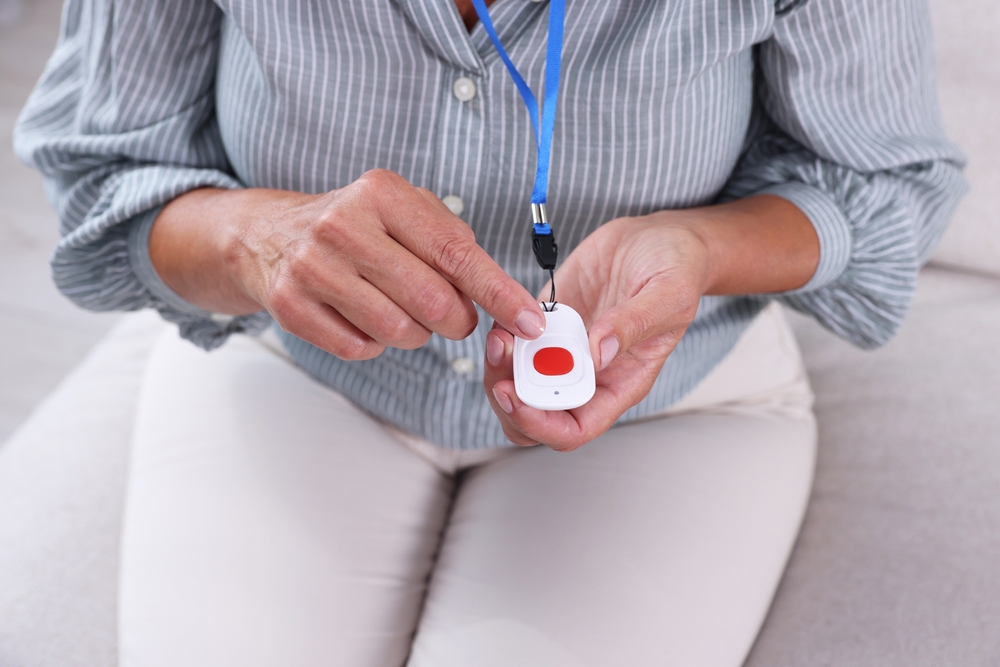
Each person wears a separate emergency button, often available as a pendant or wristband. When either person presses their button, the system contacts the monitoring center.
However, not every provider supports multiple users, and the available features depend on the equipment and service plan.
How Does a Shared Medical Alert System Work?
A shared system generally connects multiple wearable emergency buttons to one household monitoring unit.
One Base Station for the Household
The base station communicates with the emergency monitoring center using a landline or cellular connection, depending on the model.
When a connected button is activated, the base station initiates an emergency call. The monitoring representative can assess the situation and arrange appropriate assistance.
Separate Emergency Buttons
Each person should have an individual wearable button.
Sharing a single pendant or wristband is not recommended because the device may be unavailable when one person needs assistance. Separate buttons allow both individuals to request help without relying on the other person.
Individual Emergency Information
Some providers allow each user to maintain a separate emergency profile. These profiles may contain:
- Emergency contact information.
- Relevant medical conditions.
- Medication information.
- Mobility limitations.
- Preferred emergency response instructions.
Caregivers should confirm whether the monitoring service can identify which person activated the alert.
What Are the Benefits of a Multi-Alert System?
For couples and family members sharing a home, a multi-alert system may offer several advantages.
Lower Household Costs
Some providers charge less for an additional wearable button than for a second complete monitoring system. This may reduce equipment or subscription expenses. However, providers may charge additional fees for a second user, fall detection, or other services.
Convenient Emergency Monitoring
A shared system can allow both residents to access the same emergency monitoring center. This may simplify household setup and billing.
Greater Independence
Older adults may feel more comfortable completing everyday activities when they have a reliable way to request assistance. For example, one spouse can remain in the bedroom while the other works in the garden, provided both are within the system’s operating range.
Reassurance for Caregivers
Family members may appreciate knowing that both individuals have access to emergency assistance. Some systems also offer caregiver notifications or mobile applications that provide updates when alerts occur.
What Are the Limitations of Sharing a Medical Alert System?
Although shared systems can be convenient, they may not meet every household’s needs.
Limited Coverage Outside the Home
Many in-home medical alert systems only work within a specified distance of their base station. A wearable button may stop functioning when someone travels beyond that range.
Individuals who regularly shop, exercise outdoors, or visit friends may need mobile medical alert devices with cellular connectivity.
Different Medical Needs
Two people sharing a home may have different health conditions and safety concerns. One individual may need automatic fall detection, while another may prefer a basic emergency button. Caregivers should confirm that the selected system supports each person’s needs.
Difficulty Identifying the Person Needing Help
Not every shared system automatically identifies which wearable button triggered an emergency.
If the monitoring center cannot distinguish between users, responders may need additional information before assisting.
Dependence on One Base Station
When two users rely on the same base station, a power outage, connectivity problem, or equipment malfunction could affect both. Look for battery backup capabilities and ask providers how the system handles service interruptions.
Should Couples Choose Separate Medical Alert Devices?
Some couples may benefit from separate systems rather than a shared household setup. This is particularly important when one or both individuals regularly leave home.
For example, a person who enjoys walking through the neighborhood may benefit from a mobile device with GPS location capabilities.
Meanwhile, a spouse who spends most of their time at home may prefer a traditional in-home system. The appropriate arrangement depends on mobility, medical concerns, lifestyle, and available monitoring features.
Can Two People Share Automatic Fall Detection?
Some medical alert providers offer automatic fall detection for multiple users.
However, each person generally needs their own compatible fall detection device. These devices use motion sensors to identify movement patterns associated with certain falls.
According to the Centers for Disease Control and Prevention, more than one in four adults aged 65 and older experiences a fall each year.
Fall detection can provide another way to request assistance when someone cannot press a button. However, automatic detection cannot identify every fall, and false alerts may occur.
Users should press their emergency buttons whenever possible if they need help.
What Should You Look for in a Shared Medical Alert System?
Before purchasing a multi-alert system, compare the features offered by different providers. Important considerations include:
- Multiple-user support: Can two people register under one household account?
- Separate wearable buttons: Does each person receive an individual device?
- Emergency identification: Can the monitoring center identify which person needs assistance?
- Coverage range: Does the system work throughout the home and yard?
- Fall detection: Can both users receive automatic fall detection?
- Mobile coverage: Are GPS-enabled devices available?
- Battery backup: Will the system continue operating during a power outage?
- Pricing: Are there additional equipment or monitoring fees?
Caregivers should also ask whether both users can activate their devices independently during simultaneous emergencies. Testing each button after installation can help confirm that the system is functioning properly.
Frequently Asked Questions About Shared Medical Alert Systems
Can a Married Couple Share One Medical Alert System?
Yes. Some providers allow spouses to share one in-home base station while using separate emergency buttons.
Do Both People Need Their Own Medical Alert Button?
Yes. Each person should have a dedicated button so they can request assistance independently.
Can Two People Share One Medical Alert Subscription?
Some providers offer household plans covering multiple users. Others require separate subscriptions or charge additional fees.
Can a Shared Medical Alert System Work Outside?
In-home systems generally operate only within their advertised range. Mobile devices may offer broader coverage when cellular service is available.
Is a Shared System Better Than Two Separate Devices?
It depends on the users’ medical needs and daily routines. A shared home system may be practical for two people who spend most of their time together, while separate mobile devices may provide greater flexibility.
Find Medical Alert Devices Recommended by Med Alert Systems
Choosing a medical alert device can make an important difference in how older adults and their caregivers prepare for emergencies.
Whether you are considering a shared medical alert system for two family members or separate devices with fall detection and mobile coverage, the right choice should reflect each person’s safety needs.
Med Alert Systems helps older adults, individuals at risk of falling, and caregivers compare medical alert options designed to support independent living. Explore medical alert devices, compare available features, and consider which systems offer the protection your household needs.
If you or someone you care for could benefit from reliable emergency assistance, check out the medical alert devices recommended by Med Alert Systems and find an option that fits your lifestyle and budget.