
How to Create a Senior-Friendly Bathroom
The bathroom is one of the most important areas of the home to consider when creating a safer environment for an older adult. Wet surfaces, hard flooring, limited space, and transitions such as getting into a shower or standing up from the toilet can increase the risk of a fall.
Creating a senior-friendly bathroom does not necessarily require a complete renovation. Simple changes, such as installing grab bars, improving lighting, and removing slip hazards, can make the space easier and safer to navigate.
If you are fall-proofing a bathroom for yourself, a parent, or another loved one, consider the following improvements recommended by Med Alert Systems.
Why Bathroom Safety Matters for Seniors
Falls are a significant safety concern for older adults. The CDC reports that more than 1 in 4 older adults report falling each year. These falls can result in serious injuries, including broken bones and head injuries.
Bathrooms can present particular risks because water can make floors and surfaces slippery. CDC research has found that most unintentional bathroom injuries studied were caused by falls, with bathing, showering, and getting in or out of the tub or shower among the activities most frequently associated with injury.
Making a few changes can help reduce hazards while allowing seniors to maintain greater independence.
7 Ways to Create a Senior-Friendly Bathroom
1. Install Grab Bars
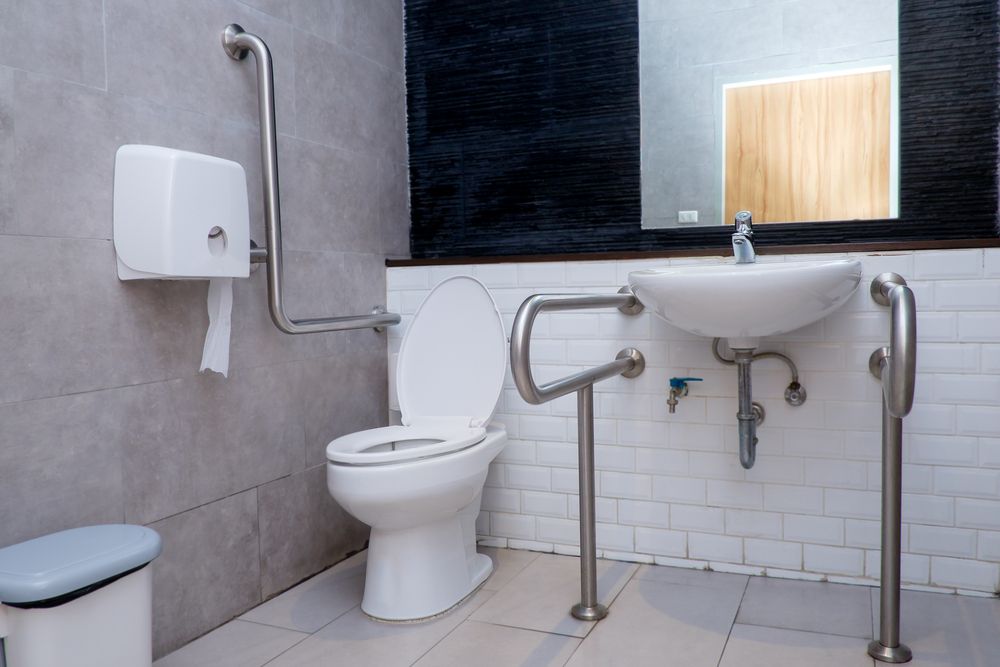
Grab bars can provide additional support when getting into or out of the shower, standing up, or sitting down. Some locations for grab bars include inside and outside the tub or shower and next to the toilet.
Grab bars should be securely installed and positioned where they can actually provide useful support. Avoid relying on towel bars or other fixtures that were not designed to support body weight.
2. Add Non-Slip Surfaces
Water can create slippery conditions on bathroom floors and inside tubs and showers.
Consider using appropriate non-slip strips, mats, or other products designed for wet surfaces. The National Institute on Aging recommends using nonskid mats or strips on surfaces that may become wet.
Also remove loose rugs or mats that can slide or bunch up underfoot.
3. Improve Bathroom Lighting
Good lighting can make it easier to see wet spots, changes in floor height, obstacles, and other potential hazards.
Install bright, accessible lighting throughout the bathroom. A night-light or motion-activated light can also make nighttime trips to the bathroom safer. Adequate lighting should be part of an overall approach to preventing falls in older adults.
4. Consider a Shower Chair
Standing for extended periods can be difficult for some seniors, particularly those with balance or mobility challenges.
A sturdy shower chair or bench can provide a place to sit while bathing. A handheld showerhead can also make it easier to bathe while seated.
The National Institute of Health recommends considering a plastic shower stool and handheld showerhead as bathroom safety measures for older adults.
Choose equipment appropriate for your needs, and make sure it is stable and used according to the manufacturer’s instructions.
5. Make the Toilet Easier to Use
Getting on and off the toilet can present a fall risk, particularly for someone with limited leg strength or mobility.
Depending on the person’s needs, options may include properly installed grab bars, a raised toilet seat, or other accessibility equipment.
Keep commonly used items within easy reach so the person does not have to stretch, twist, or stand unnecessarily.
6. Keep the Bathroom Clutter-Free
Items left on the floor can create tripping hazards, particularly in a relatively small bathroom.
Keep towels, clothing, toiletries, cords, and other objects off the floor. Store frequently used items somewhere they can be reached without climbing on a stool or leaning excessively.
When fall-proofing a bathroom, think about the entire path a person takes, from the bathroom door to the sink, toilet, shower, and back out again.
7. Check Water Temperature
A safer bathroom involves more than preventing falls. Older adults can also be vulnerable to burns from excessively hot water.
Consider using appropriate temperature controls and checking the water before bathing.Try setting a home’s water heater to 120°F to help reduce the risk of scalding.
How Caregivers Can Help With Bathroom Safety
Caregivers can walk through the bathroom with the senior and identify situations that feel difficult or unsafe. Ask questions such as:
- Is it difficult to get into or out of the shower?
- Is the floor slippery when wet?
- Can you easily reach the soap and other bathing supplies?
- Is the bathroom adequately lit at night?
- Do you feel steady when standing up from the toilet?
- Do you have something secure to hold onto if you lose your balance?
The answers can help identify changes that may make the bathroom safer and easier to use.
Create a Safer Bathroom With Med Alert Systems
A senior-friendly bathroom combines practical modifications with a plan for what to do if an accident occurs. Grab bars, non-slip surfaces, better lighting, shower seating, and a clutter-free environment can all contribute to a safer space.
For additional peace of mind, seniors and caregivers can also consider a medical alert device as part of their overall home safety plan. Check out the medical alert devices recommended by Med Alert Systems to compare options and find a system that can provide access to help when it is needed.