
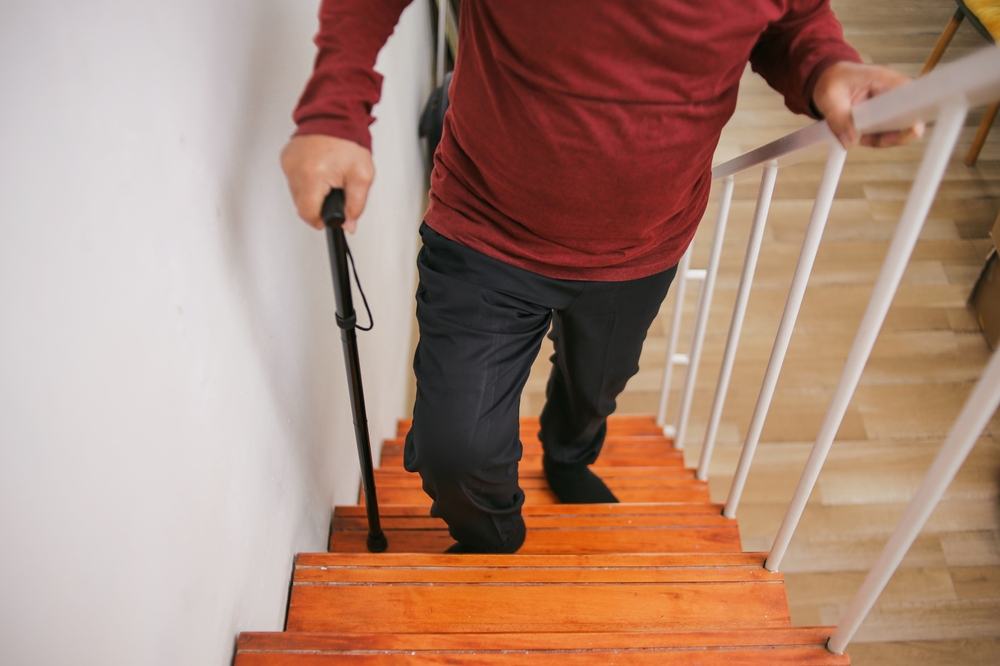
How to Make Stairs Safer for Older Adults
Stairs can become a serious safety concern as people age. Changes in balance, vision, muscle strength, and mobility can make climbing or descending steps more difficult. For older adults who want to remain independent at home, creating safe stairs is an important part of preventing injuries.
According to the Centers for Disease Control and Prevention (CDC), falls are a leading cause of injury among adults aged 65 and older. Fortunately, many household hazards can be addressed through simple improvements.
From installing sturdy handrails to improving visibility, fall-proofing stairs can help older adults and their caregivers reduce risks and feel more confident moving around the home.
Why Are Stairs Dangerous for Older Adults?
Stairs require coordination, balance, strength, and depth perception. Age-related changes in these abilities can increase the likelihood of tripping, slipping, or losing balance. Common stairway hazards include:
- Poor lighting that makes individual steps difficult to see.
- Loose carpeting or slippery stair surfaces.
- Missing, unstable, or difficult-to-grip handrails.
- Uneven or damaged steps.
- Clutter that creates tripping hazards.
- Difficulty judging the edges of stairs.
Falls on staircases can result in fractures, head injuries, and other serious complications. Identifying potential hazards before an accident occurs is an important part of maintaining a safer home.
1. Install Secure Handrails on Both Sides of the Stairs
One of the most effective ways to improve stair safety is to install sturdy handrails. The National Institute on Aging recommends having secure handrails on both sides of staircases. Handrails provide support while ascending or descending steps and can help people maintain their balance. For safer stairways:
- Install handrails along both sides of the staircase.
- Make sure railings are firmly attached to the wall or supporting structure.
- Choose handrails that are comfortable and easy to grip.
- Repair loose, damaged, or unstable railings promptly.
- Encourage older adults to use handrails whenever they use the stairs.
Properly installed handrails are particularly important for individuals experiencing reduced mobility or balance difficulties.
2. Improve Stairway Lighting and Visibility
Poor lighting makes it harder to distinguish individual steps, increasing the risk of falls. Creating safe stairs begins with ensuring that every step is clearly visible.
Add Bright, Even Lighting
Install lighting that illuminates the entire staircase without creating excessive glare or shadows. Place accessible light switches at both the top and bottom of the stairs so users never have to navigate steps in the dark.
Consider Motion-Activated Lights
Motion-activated lighting can automatically illuminate stairways when someone approaches. These lights may be particularly helpful for older adults who frequently move around their homes at night.
Highlight Stair Edges
Applying contrasting, securely attached strips to stair edges can make individual steps easier to distinguish. This improvement may benefit people with reduced vision or difficulty judging depth.
3. Add Non-Slip Stair Treads
Slippery stair surfaces increase the likelihood of losing footing.
Adding appropriate non-slip materials can improve traction, particularly on smooth wooden or tiled steps. Consider the following improvements:
- Install securely attached non-slip stair treads.
- Replace worn or damaged carpeting.
- Secure loose carpet edges to prevent tripping.
- Avoid unsecured decorative runners.
- Keep stair surfaces clean and dry.
For outdoor stairs, use weather-resistant traction materials designed for changing conditions. When selecting stair treads, choose products that lie flat and do not create raised edges that could become additional hazards.
4. Repair Uneven or Damaged Steps
Broken or uneven stairs can create unexpected obstacles for older adults. Inspect staircases regularly for structural problems, including:
- Loose or cracked steps.
- Uneven stair heights.
- Damaged stair edges.
- Unstable flooring materials.
- Loose boards or protruding fasteners.
Repairing these problems promptly can help reduce tripping hazards. If a staircase has significant structural damage, consult a qualified contractor to determine whether repairs or modifications are necessary.
5. Keep Stairs Free From Clutter
Household items left on staircases can quickly turn an otherwise safe staircase into a dangerous area. Shoes, books, laundry baskets, and other objects should never be stored on steps.
Caregivers can help by establishing simple household routines that keep stairways clear.
Encourage older adults to avoid carrying bulky items that obstruct their view or prevent them from holding the handrail. Whenever possible, ask someone else to transport heavy objects between floors.
6. Encourage Safe Footwear and Stair Habits
Even well-maintained staircases can present risks when someone wears unsuitable footwear or moves too quickly. Older adults should consider wearing properly fitting shoes with supportive, slip-resistant soles.
Avoid loose slippers, slippery socks, or footwear that makes maintaining balance difficult. Additional safety habits include:
- Take stairs slowly and deliberately.
- Use handrails consistently.
- Avoid rushing or multitasking.
- Keep one hand available for support.
- Ask for assistance when feeling unsteady.
People experiencing dizziness, weakness, or balance problems should discuss these symptoms with a healthcare provider.
7. Consider Accessibility Improvements
For older adults with significant mobility limitations, standard stair safety improvements may not provide enough support. Additional options include:
- Stairlifts
- Alternative room arrangements
- Relocating frequently used living spaces to the main floor
A physical therapist or occupational therapist can help evaluate mobility limitations and recommend appropriate home modifications.
The goal is to create a living environment that supports independence without exposing individuals to unnecessary risks.
8. Include a Medical Alert Device in Your Fall Safety Plan
Although home modifications can reduce the likelihood of falling, no staircase can be made completely fall-proof. Medical alert devices provide an additional way for older adults to request assistance following a fall or another emergency.
Depending on the system, available features may include:
- Emergency Help Buttons: Allow users to request assistance by pressing a wearable button.
- Automatic Fall Detection: May identify certain falls and initiate an alert without requiring the user to press a button.
- Two-Way Communication: Enables users to speak with a monitoring representative.
- Mobile Connectivity: Provides access to assistance beyond the home, subject to network coverage.
Automatic fall detection does not identify every fall, so users should press their emergency button whenever possible.
Medical alert systems complement stair safety improvements rather than replace them.
Frequently Asked Questions About Stair Safety
What Is the Best Way to Make Stairs Safer for Older Adults?
Start by installing secure handrails on both sides, improving lighting, repairing damaged steps, and removing tripping hazards. Non-slip surfaces and clear stair edges can provide additional protection.
Can You Completely Fall-Proof a Staircase?
No. Fall-proofing stairs means reducing preventable hazards, not eliminating every possibility of an accident. Safe stair habits and appropriate mobility support remain important.
Should Older Adults Use Medical Alert Devices on Stairs?
Older adults concerned about falls may benefit from wearable medical alert devices. These systems can provide access to assistance if someone falls and cannot reach a phone.
Explore Medical Alert Devices Recommended by Med Alert Systems
Creating safe stairs is an important step toward helping older adults maintain independence and confidence at home. However, even carefully maintained staircases cannot eliminate every fall risk.
For older adults at risk of falling and caregivers concerned about a loved one’s safety, medical alert technology can provide another layer of reassurance.
Explore the medical alert devices recommended by Med Alert Systems to compare available features, including emergency response buttons, automatic fall detection, and mobile monitoring options.
Taking steps to improve home safety today can help older adults remain more comfortable, connected, and independent.