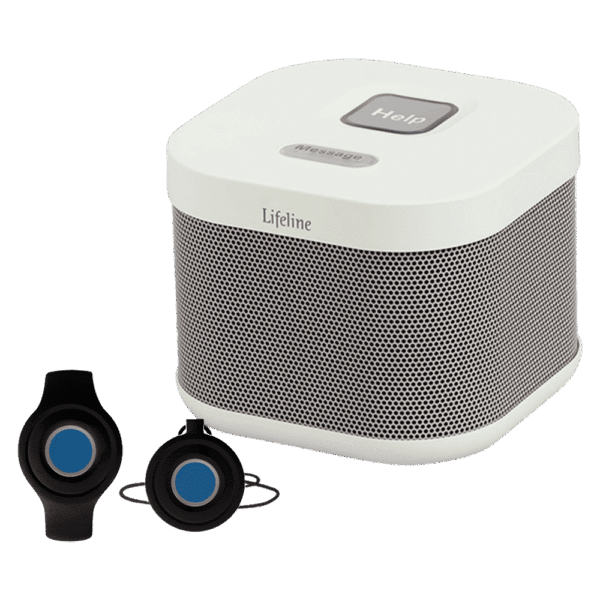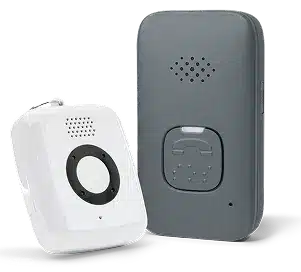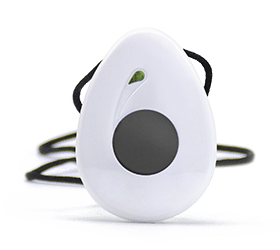

Lifeline provides both in-home and mobile GPS medical alert systems with optional fall detection and 24/7 professional monitoring.
It is frequently recommended for:
Lifeline pricing varies depending on equipment type and add-ons. Typical monthly costs:
Activation fees and equipment costs may apply depending on promotions.
Lifeline generally offers month-to-month service without long-term contracts.
Lifeline operates professional monitoring centers staffed by trained operators. Response times are typically under 60 seconds.
Optional automatic fall detection uses motion-sensing technology to detect sudden impacts and alert operators even if the user cannot press the button.
Clear two-way voice communication is built into base units and mobile devices.
Select plans offer mobile app access for caregiver notifications and location monitoring.
Help buttons are designed for use in the shower — one of the highest-risk fall areas.
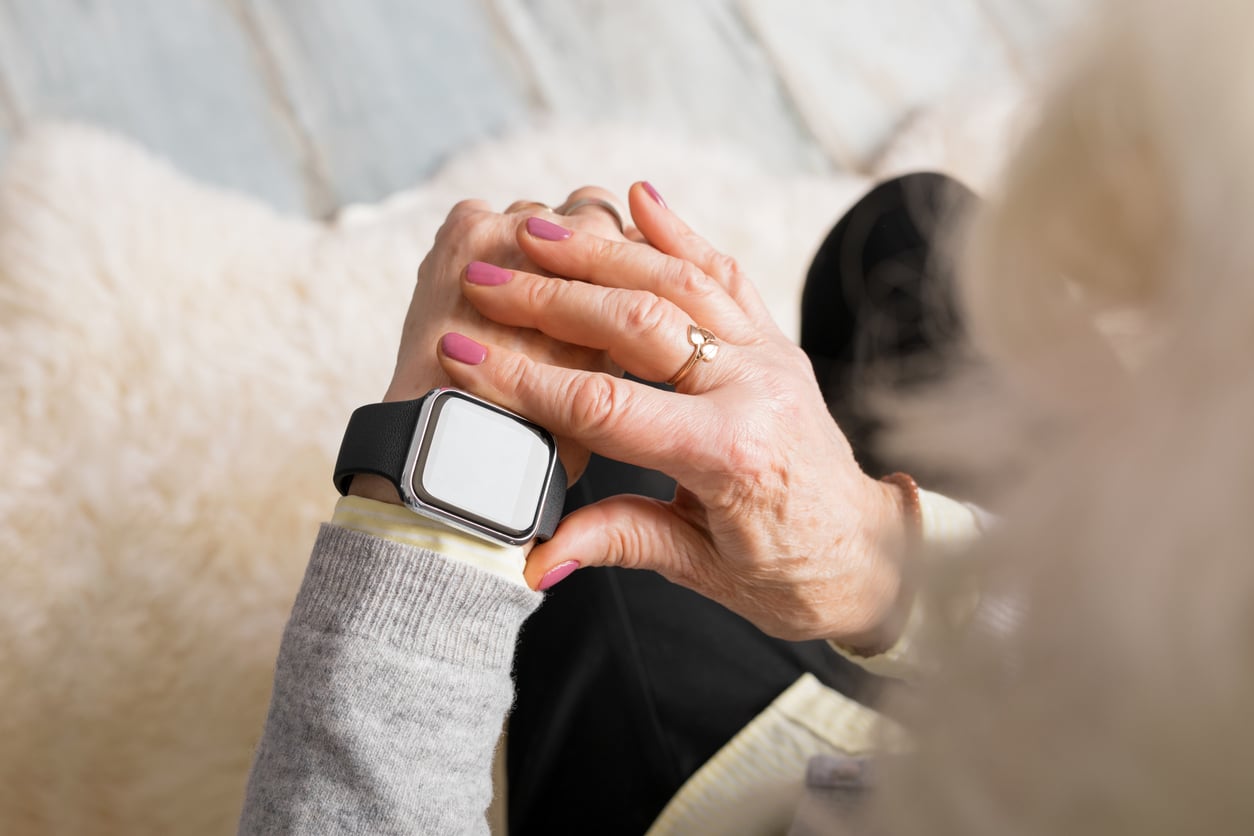
In addition to traditional in-home and mobile pendant systems, Lifeline offers a smartwatch-style medical alert device designed for seniors who prefer a modern, discreet wearable.
Unlike classic neck pendants, the smartwatch:
The smartwatch format appeals to:
Smartwatch-style systems provide emergency support while maintaining independence and dignity.
👉 Compare Lifeline Smartwatch Plans
Lifeline may be a strong choice for:
Compared to many budget-focused providers, Lifeline emphasizes monitoring reliability and established infrastructure over lowest-cost positioning.
While some companies compete primarily on price, Lifeline often ranks highly for trust and performance consistency.
Compared to many budget-focused providers, Lifeline emphasizes monitoring reliability and established infrastructure over lowest-cost positioning.
While some companies compete primarily on price, Lifeline often ranks highly for trust and performance consistency.