
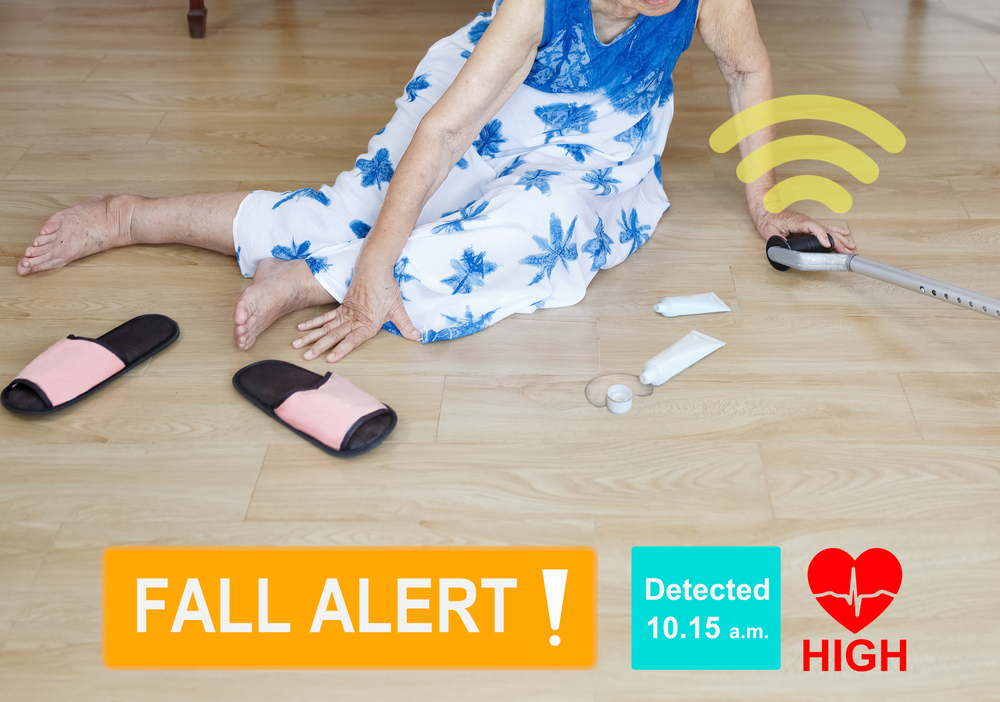
Why Every Senior Needs a Fall Detection Device
Did you know that over one in four Americans aged 65 and older experiences a fall each year? For many older adults, a simple trip or slip can instantly turn into a life-threatening medical emergency. The physical impact is only part of the problem. When someone falls and cannot get back up, the resulting delay in medical care drastically increases the risk of severe complications.
For decades, traditional medical alert systems required the user to physically press a button to summon help. But what happens if a fall leaves a person unconscious, confused, or physically unable to reach their device? This is exactly where modern technology steps in to bridge the gap and save lives.
Fall detection devices for seniors are specifically designed to automatically alert emergency services or caregivers the moment a fall occurs. These wearable sensors remove the burden of calling for help from the injured person. By ensuring a rapid response, fall detection devices enhance safety, preserve independence, and provide profound peace of mind for both seniors and their families.
The Critical Need for Fall Detection
The statistics surrounding senior falls are alarming. According to healthcare professionals, more than 25% of Americans over the age of 65 will fall annually. These incidents frequently happen at home, often when the individual is entirely alone.
The dangers of falling increase significantly when a senior lives by themselves. If a fall results in a loss of consciousness or a severe mobility-restricting injury like a fractured hip, the individual might remain on the floor for hours or even days. This prolonged immobility can lead to dehydration, hypothermia, pressure ulcers, and a significantly extended hospital stay.
Rapid response is the most critical factor in mitigating these risks. Getting medical professionals to the scene quickly can be the difference between a brief hospital visit and a permanent loss of independence.
Key Benefits of Fall Detection Devices
Understanding the pros of a fall detection device helps families make informed decisions about senior care and independent living. Here is a closer look at the primary advantages.
1. Automatic Emergency Response
The most significant advantage of these systems is their ability to act automatically. If a senior falls and is knocked unconscious or incapacitated, the device does the work for them. Using built-in sensors, the system detects the rapid change in position and the subsequent impact.
It then immediately triggers a call to a monitoring center or designated caregivers. This ensures that help is dispatched without the wearer needing to press a single button, drastically reducing the time spent helpless on the floor.
2. Enhanced Safety and Independence
Many older adults fear that a fall will force them to move out of their cherished homes and into an assisted living facility. A fall detection device acts as a reliable safety net, allowing seniors to age in place safely.
They can continue to live alone, manage their daily routines, and pursue their favorite hobbies with confidence. Knowing that help is always available reduces the lingering anxiety of falling, which ironically helps seniors stay more active and physically capable.
3. Peace of Mind for Families
Caregivers and family members carry a heavy emotional burden when worrying about an aging parent or relative. A fall detection system provides immediate reassurance. Families can rest easy knowing that their loved one is protected around the clock.
If an incident does occur, the system immediately notifies the designated emergency contacts, keeping families informed and involved right from the start.
4. Improved Recovery Outcomes
Time is of the essence after a physical trauma. By cutting down the time a senior spends on the floor after a fall, these devices directly contribute to better medical outcomes. Quick medical intervention minimizes the severity of the injuries and prevents the secondary complications associated with prolonged immobility. Faster treatment generally translates to a faster, more complete recovery.
How Fall Detection Devices Work
Modern fall detectors utilize sophisticated technology to keep users safe. They primarily rely on specialized sensors known as accelerometers, which continuously measure the user’s movement. These sensors monitor the speed and direction of motion, analyzing the data in real time. When the device registers a sudden, rapid downward movement followed by an abrupt stop, the algorithm identifies the event as a fall and initiates the emergency protocol.
These devices come in several convenient forms to suit different lifestyles and preferences. Most commonly, they are worn as discreet pendants around the neck, but they can also be integrated into smartwatches or clipped securely to clothing.
It is important to note that while the technology is highly advanced, no device can detect 100% of falls. Gradual sliding falls or falls from a seated position might not trigger the alarm. However, the accuracy of top-tier devices is exceptionally high, making them an indispensable tool for senior safety.
Choosing the Right Fall Detection Device
Selecting the appropriate medical alert system requires careful consideration of the user’s lifestyle, budget, and specific medical needs. Look for systems with proven accuracy, excellent battery life, and reliable monitoring centers.
If you are ready to secure your safety or protect a loved one, take the time to explore high-quality options. We highly encourage seniors and their caregivers to check out the reliable, state-of-the-art fall detection devices from Lifeline. Protect your independence and ensure help is always just a moment away.